Left Column Top
Left Column Bottom
Right Column
Coast 4U Quarterly, Spring 2015
Stranded Sea Lion Pups: How You Can Help
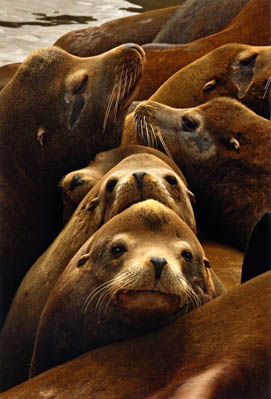
Scientists are grappling with the question of what has caused thousands of underweight sea
lion pups to strand on California beaches. This is the third year in a row with remarkable
spring sea lion strandings, with 2015 strandings over 20 times the average based on NOAA
records for the last decade. There are many reasons a pinniped may strand, including infectious
disease, ocean or weather conditions, and injury. In this case, the findings of scientists
at NOAA Fisheries indicate that the strandings are linked to changes in the
availability of food sources for nursing mothers, especially sardines.
Many scientists believe that this situation is being caused by warmer sea temperatures, which are pushing sea lion prey further offshore. At this point, climatologists at NOAA are not attributing this trend to global warming as the pattern appears to be localized. However, models predict that human-caused climate change will be the major cause of warmer ocean temperatures in the future. What You Can DoOne important step is to keep informed of the scientific investigations. NOAA Fisheries has declared this to be an Unusual Mortality Event (UME), triggering additional investigation and response and monthly reports.We also encourage you to follow the online communities, newsletters, and websites of animal rescue organizations for links to published information about current events. (You can even learn about the individual patients The Marine Mammal Center is treating.) You can help create awareness by sharing information with your networks on social media and elsewhere. The more people who are well-informed about the problem, the better. Another way to help is by supporting and volunteering at a marine mammal rescue center. These rescue centers are on the front lines of responding to the strandings and many are overwhelmed by the magnitude of the need. Visit the West Coast Marine Mammal Stranding Network webpage to find a rescue center in your area. How to be prepared in case you encounter an injured or weak sea lion (or other pinniped):Review this list of rescue center contacts and save the numbers for the coastal areas you are likely to visit. You can also contact the West Coast Marine Mammal Stranding Network hotline at (866) 767-6114.Remember that just because you see a pup alone on a beach, it doesn't mean it is abandoned. Both sea lion and seal pups haul out on shore to rest and regulate their body temperature. Seal mothers are especially shy and will not return if there are disturbances around the pup. What to do if you find a stranded pinniped:Absolutely do not approach or touch the animal. This may stress the animal and the animal may bite you. Stay back at least 50 feet, and follow these steps instead:
What to do if you see humans harassing or abusing marine animals:Use this number for law enforcement and to report violations: (800) 853-1964Remember, response to each stranding event is handled according to the availability of local resources. It is critical that we rely on our experienced organizations who are trained to respond, rescue, and rehabilitate. Thank you for caring, and for doing what you can to protect our marine mammals on the California coast. |