The California Coastal Commission protects the state’s coast and ocean resources as well as public access to the shore so that current and future generations can experience the incomparable beauty, inspiration and joy of a healthy, vibrant coast.
In 2026, we celebrate the 50th anniversary of the passage of the Coastal Act, the visionary law that set the standard for coastal resource protection. Carried out through an enduring partnership between state and local governments, the Coastal Act provides the legal framework that has enabled California’s coastline to remain the envy of the world, as well as supporting a $51 billion dollar coast and ocean economy. Read more.
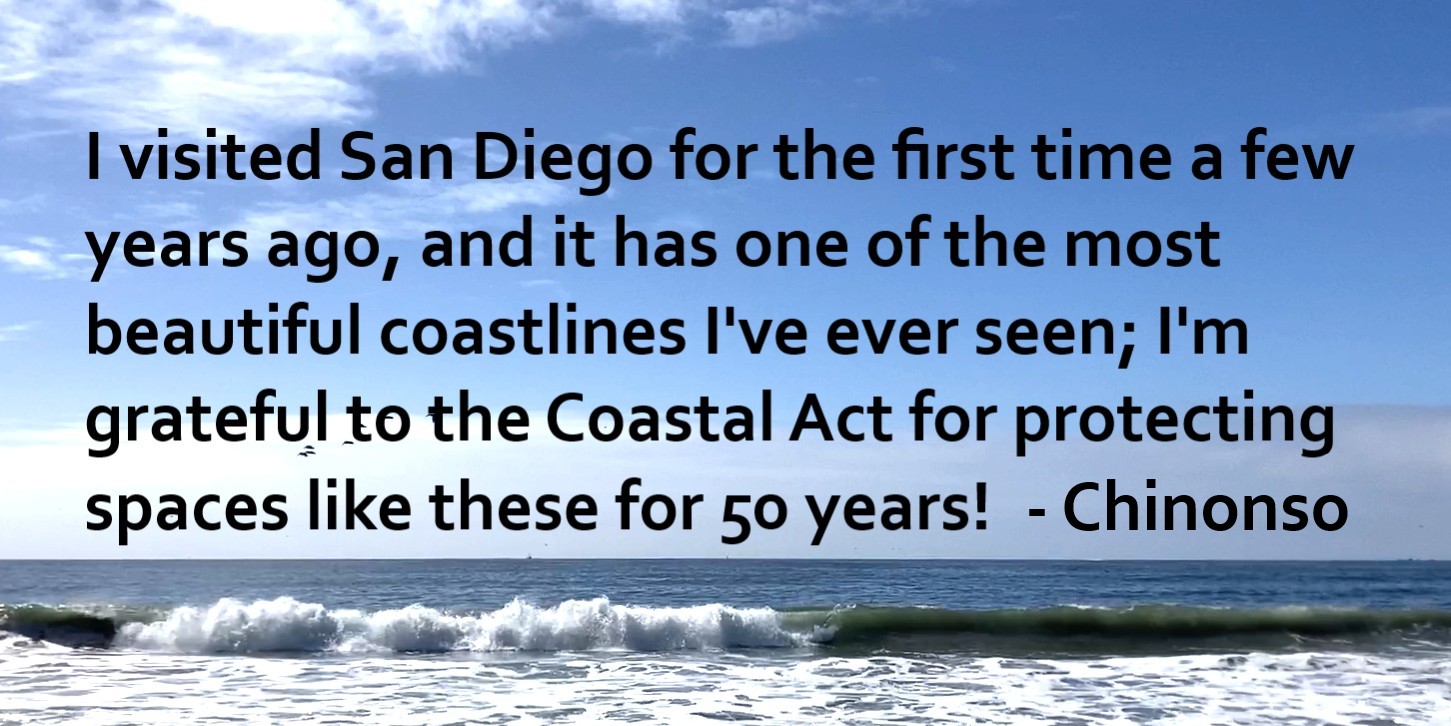
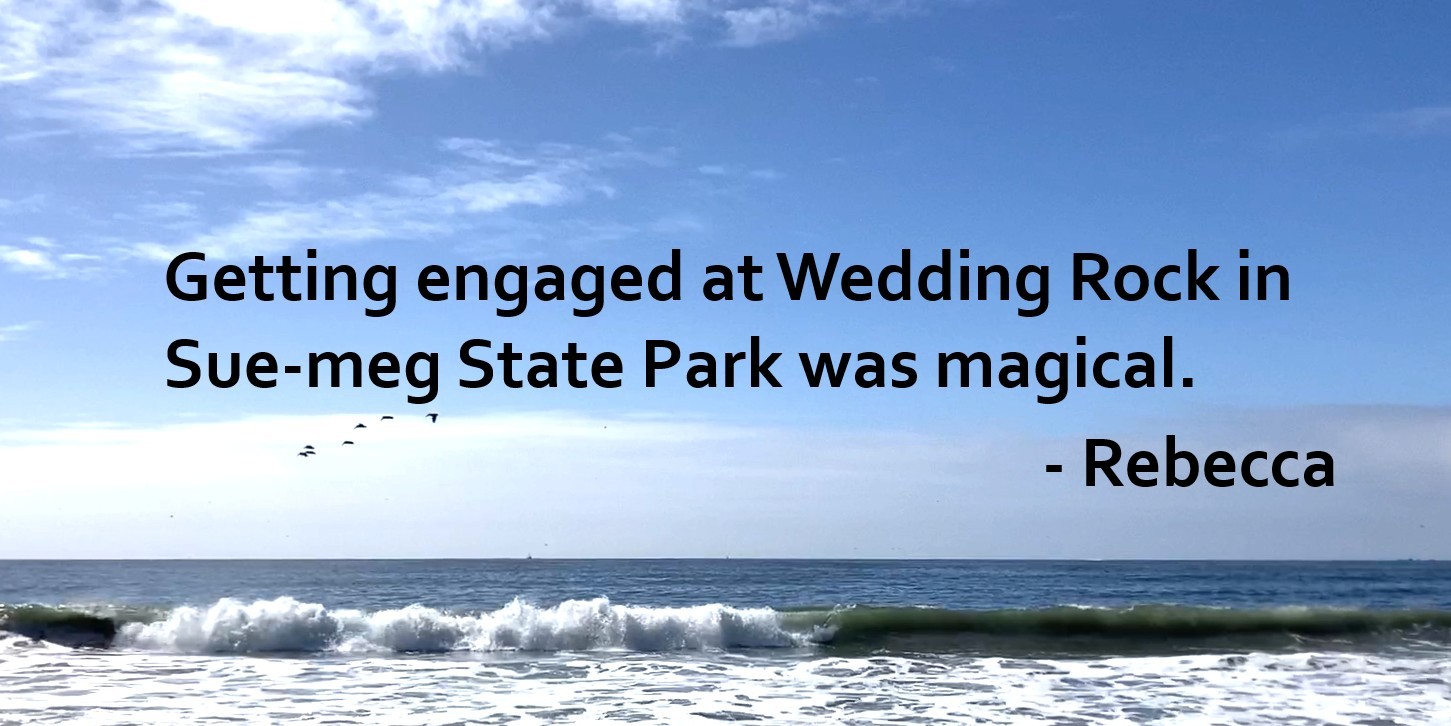
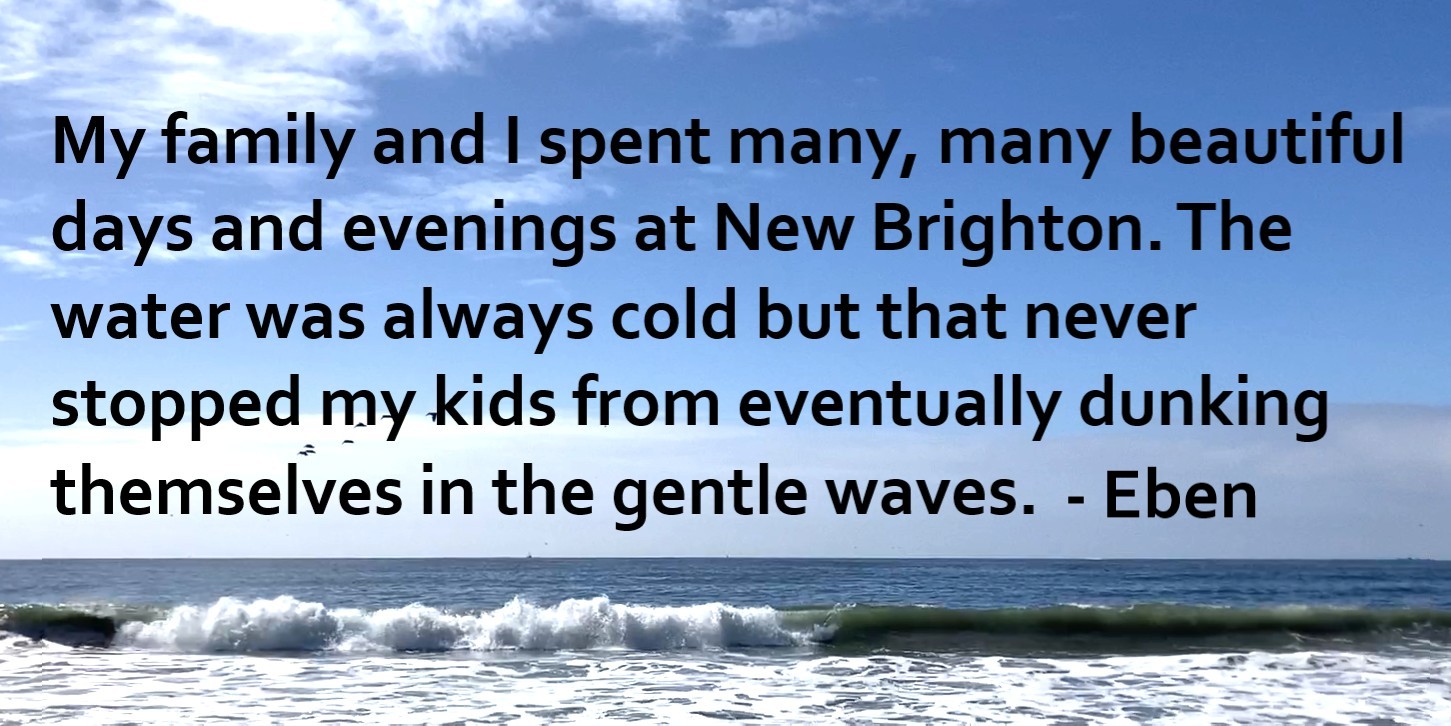
Share your own memory with us here! Fifty years of unforgettable California experiences have been made possible by the Coastal Act. What memories has it made for you? Find more stories from your friends and neighbors on our social media channels.
The California Coastal Commission protects the state’s coast and ocean resources as well as public access to the shore so that current and future generations can experience the incomparable beauty, inspiration and joy of a healthy, vibrant coast.
In 2026, we celebrate the 50th anniversary of the passage of the Coastal Act, the visionary law that set the standard for coastal resource protection. Carried out through an enduring partnership between state and local governments, the Coastal Act provides the legal framework that has enabled California’s coastline to remain the envy of the world, as well as supporting a $51 billion dollar coast and ocean economy.
The State Legislature passed the California Coastal Conservation Act on August 23, 1976, after several years of public advocacy and organizing.
“The beaches are for all the people,” said Governor Jerry Brown, upon signing the bill into law on September 24. “On a hot day you find millions of people at the beach, and it is the whole spectrum, from rich to poor.”
Fifty years later, his words still ring true. Since 1976, California’s population has nearly doubled, growing from approximately 22 million to almost 40 million people. But despite ongoing pressure to privatize some of the world’s most valuable real estate, the coast is demonstrably cleaner, healthier and more accessible than it was when the Coastal Act was signed into law.
The Coastal Commission has relied on the Coastal Act to preserve tens of thousands of acres of beloved coastal landscapes in California. Notable examples include the Hearst Ranch in San Luis Obispo County, Big Sur in Monterey County, Newport Banning Ranch in Newport Beach, the Fiscalini Ranch Preserve in Cambria, Trestles Beach in Orange County and Sea Ranch in Sonoma County.
As a result, California has retained much of its historic rural character, from the cattle ranches of Santa Barbara and Marin counties to the flower fields and strawberry farms of Ventura and Monterey counties, to the towering forests of Humboldt and Del Norte counties. Although the state’s coastline contains some of the most coveted land in the country, California also has one of the nation’s most publicly accessible shorelines.
The Coastal Act as implemented by the Coastal Commission in partnership with local governments, nonprofit advocacy groups, and in coordination with other state and federal agencies has been responsible for:
The enduring legacy of the Coastal Act is evidenced in the coastal wetlands not filled, the sensitive habitats not destroyed, the access trails not blocked, the farms and ranches not converted to urban uses, the freeways and gated communities and industrial facilities not built.
Nearly every section of coast enjoyed by the public today is the direct result of one or more decisions based on the Coastal Act. The trails are walked, the waves are surfed, the vistas are open for all to enjoy. We hope that recalling and lifting up these coastal success stories as part of a 50-year retrospective will help inform and inspire the next 50 years of coastal protection — as current and future generations grapple with coastal management challenges and opportunities in the 21st century.