State of California Home Page

Governor's Home Page


California Coastal Commission. Public Education Departmenty

About Us

Programs & Contests

Coastal Cleanup Day

Adopt-A-Beach

Coastweeks

Boating Clean & Green

Resource Directory

For Educators

For Youth

How can I help?


WHALE TAILSM Grants 

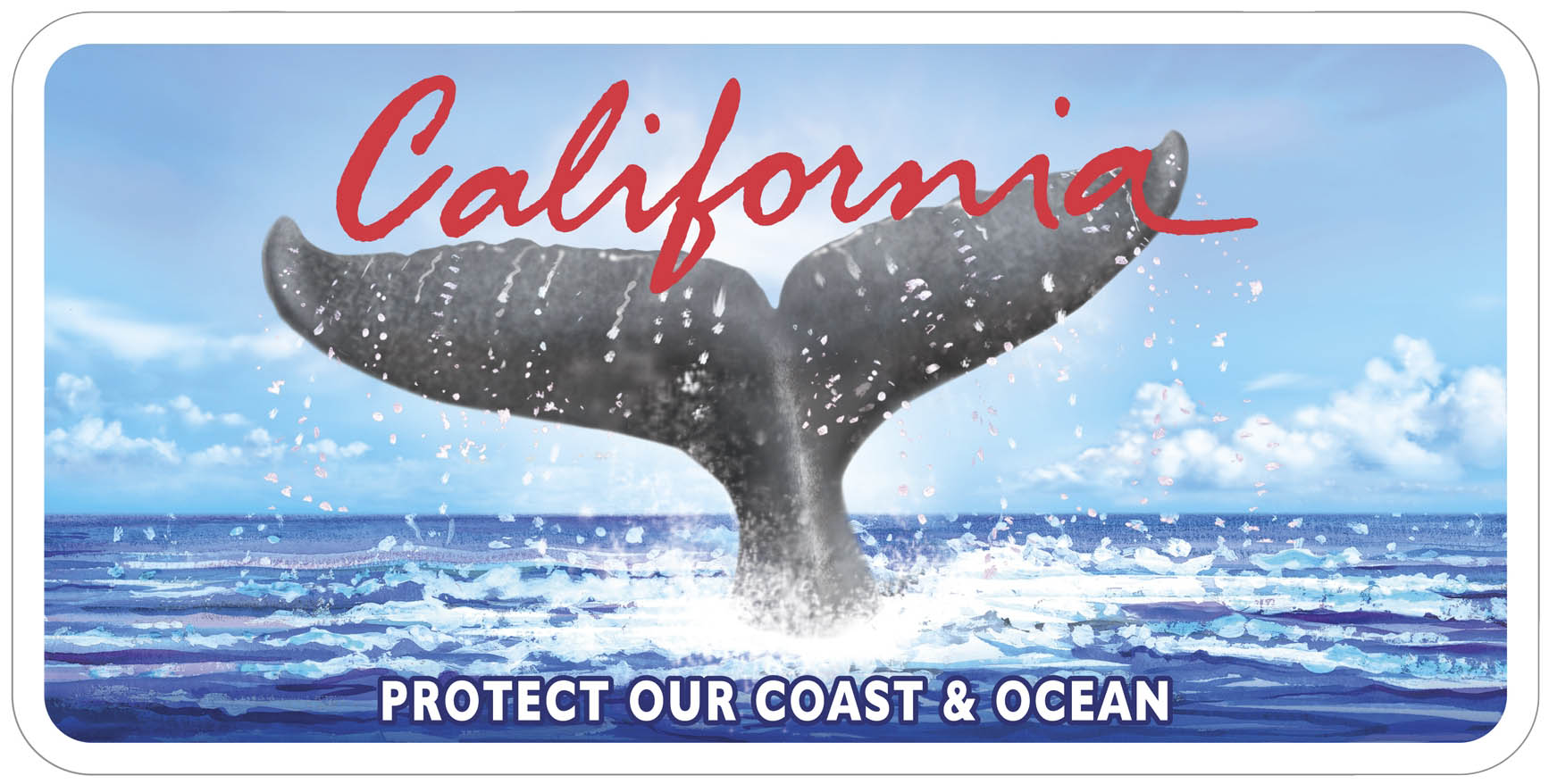
WHALE TAILSM License Plate 


Coastal Stewardship


Pledge

Community-Based


Habitat Restoration


Coastal Careers

Event Calendars

Coastal Government Links

Shop for the Coast


Recursos en Español


Site Index

CCC Home Page


  Collage of Coastal Photography

Our Public Education Program works to increase public knowledge of coastal and marine resources and to engage the public in coastal protection and restoration activities. We offer a variety of conservation, education and community involvement programs. There is bound to be a program just right for you, so get involved!

Contact Information
Mailing address:
California Coastal Commission
Public Education Department
45 Fremont Street, Suite 2000
San Francisco, CA 94105-2219

Email:
Coast4u@coastal.ca.gov

Phone:
(800) Coast4u
[1-800-262-7848]
(415) 904-5200

FAX
(415) 904-5216


Public Education Staff:
Christiane Parry, Public Education Manager, (415) 904-5208
Eben Schwartz, Outreach Manager, (415) 904-5210
Sylvie B. Lee, Program Coordinator, (415) 904-5271
Vivian Matuk, Environmental Boating Program Coordinator, (415) 904-6905
Annie Kohut Frankel, Education Coordinator, (415) 597-5888
Matt Yurko, Restoration Education Coordinator, (949) 640-0286
Judi Shils, Marketing Director, (415) 904-5273
Jessica Walkup, Program Assistant, (415) 904-5215


About our ProgramsJohn Wall, 98' photo contest, honorable mention.

Coastal Cleanup Day

Following the lead of the state of Oregon, California organized its first Coastal Cleanup Day in 1985. Since then, the idea for the event has spread throughout the nation and internationally. California is now part of the International Coastal Cleanup, organized by The Ocean Conservancy, with participation by all 50 states and over 100 countries. The 2008 cleanup will be September 20. Mark your calendar!

The Adopt-A-Beach Program

The Adopt-A-Beach Program offers groups a way to help take care of a favorite stretch of the coast. Volunteers pledge to clean their beach three times over the course of one year. School groups can volunteer for one cleanup. Over the past 15 years, tens of thousands of California schools, civic groups, businesses, scout troops, families and friends have adopted beaches throughout California.

WHALE TAILSM  Grants Program

The WHALE TAILSM  Grants Program is aimed at encouraging the development of programs to teach California’s children and the general public to value and take responsibility for the health of the state’s marine and coastal environments. The program distributes funds from sales of the WHALE TAILSM  License Plate and focuses on reaching communities that are currently poorly served in terms of marine and coastal education.

The WHALE TAILSM  Grants Program funds projects that fall into any one of the following three categories: 1) Adopt-A-Beach programs; 2) School programs; 3) Programs for the general public. Applicants must be either a non-profit organization or a governmental entity. Applications are accepted once a year in the fall.

The Boating Clean and Green Campaign

The goals of the Boating Clean and Green Campaign are to reduce nonpoint source pollution from boats by (1) educating boaters about environmentally sound boating, and (2) helping marine businesses to provide the environmental services that support best clean boating practices.

The Kids' Adopt-A-Beach Cleanup and School Assembly Program

Kids' Adopt-A-Beach Cleanup in Los Angeles. Aerial photo shows 2,400 kids are standing in formation of a whale and spelling out the word "SOS".Since 1994, the Coastal Commission has worked with the Malibu Foundation for Environmental Education and other partners to conduct the  Adopt-A-Beach Kids' Cleanup and School Assembly Program. The assembly shows students the way to cleaner beaches and oceans. By presenting slides and talking about recycling, buying recycled products, the dangers of plastic and debris in the world's oceans litter reduction and the storm drain system, the assembly motivates children to care for the marine environment. The children are then shown ways to help the environment - by participating in recycling and by doing a beach cleanup.

The program takes place each February through May in several locations. In 2005, over 7,000 students from San Diego, Orange County, Los Angeles, Fresno, Tulare, and Humboldt County participated in the program. The program is offered through local coordinators to schools in each location. Only underserved, low income or inland areas are eligible to participate.

Coastal Stewardship Pledge

The Coastal Stewardship Pledge is a way for Californians of all ages to commit to protecting our coast and ocean. You may choose from a wide-ranging list of suggestions on how to protect the coast, and then pledge to follow through and complete your chosen actions. In the process, you become a “Coastal Steward” and are rewarded with a certificate and a free gift.

Upper Newport Bay Restoration Education Program

The Upper Newport Bay Restoration Education Program is serving as a pilot for the Commission to help develop community-based coastal restoration and education programs elsewhere in California. The program mobilizes community volunteers to restore the marsh, riparian, and upland habitats of Upper Newport Bay. There is also a high school curriculum to teach students about the importance of coastal wetlands and the impacts of human activities on these critical habitats.

About our Contests

The Coastal Art and Poetry Contest

The Coastal Art & Poetry Contest is open to California students in kindergarten through 12th grade. Students are encouraged to submit art or poetry with a coastal theme. The deadline for entries to be postmarked is January 31.

Lindsey Martin, Brown Pelican, 98' photo contest, honorable mention.Amateur Photography Contest

The amateur photography contest is held annually and seeks photographs that depict the coast and its myriad landscapes, resources and uses. Entrants are encouraged to submit photos in the following categories: the scenic coast, ways people use the coast, and coastal wildlife. Photographs that document coastal resources protected by Coastal Commission action, including public beaches or public accessways to beaches, agricultural land, or wetlands are especially encouraged. The prize-winning photographs, along with honorable mentions, are featured on our web site.

About our Resources

A wide variety of resources for educators and the general public are available through our program. Described below are two examples of the resources we offer. A complete list can be found on the For Educators web page.

Marine, Coastal and Watershed Resource Directory

The Resource Directory is an on-line, comprehensive guide to California's marine, coastal and watershed organizations and the resources they offer. The Directory details educational programs, volunteer and internship opportunities, and contact information for approximately 400 organizations. The target audience of the Resource Directory includes formal educators, informal educators, community groups, students and the general public

School Curricula

Waves, Wetlands, and Watersheds science activity guide for teachers addresses marine debris, nonpoint source pollution, endangered species, coastal processes, and other issues of importance to the coast and ocean. It is carefully aligned to the California State Science Content Standards for grades 3 through 8, and includes “Community Action” lessons adaptable for all ages up to and beyond 12th grade. The guide is available for free from the California Coastal Commission.

Our Wetlands, Our World High School Activity Guide provides information and activities to help students learn about the importance of wetlands and to become involved in the restoration of these valuable, unique environments. It also helps bring State Content Standards to life by linking science concepts to local resources. The focus of this 2004 guide is on Upper Newport Bay in Orange County; however, much of the information is applicable to other wetland sites.

Working with the Ocean Conservancy (formerly the Center for Marine Conservation) and a committee of educators, the Coastal Commission developed the Save Our Seas  K-12 curriculum. Published in 1993, the curriculum includes lessons and activities on marine debris and pollution and how individuals can help solve these problems. The curriculum is distributed free of charge to teachers and other educators. A Spanish language version is available.